-829x301.png "The Power Cart")


Voltage fluctuation is not a Bihar problem or a UP problem, it is an Indian grid problem. Anything from 160V to 280V hitting your AC, fridge, or inverter system on a bad day is normal in most tier-2 and tier-3 supply zones. A stabilizer is the cheapest insurance you can buy for appliances that cost 15x to 40x more than the device protecting them.
Microtek is one of the most searched stabilizer brands in India, and for good reason. But most buyers land on a 40-SKU listing page and freeze. This guide cuts that down to what actually matters: which Microtek range fits your load, what the numbers on the box mean, and where people overspend for nothing.
Why You Need a Stabilizer Even If Your Inverter Has One Built In
Common confusion, so let's kill it early. An inverter/UPS regulates output during a power cut. It does not protect your AC or fridge from input-side voltage swings while the grid is live. Those are two different jobs. If your area sees voltage drop below 170V or spike above 270V regularly, especially during summer load peaks, your AC compressor takes the hit every single time your area's transformer is overloaded. That's compressor burnout, and it's not covered under most appliance warranties because manufacturers class it as an external cause.
Microtek Stabilizer Range, Broken Down by What You're Protecting
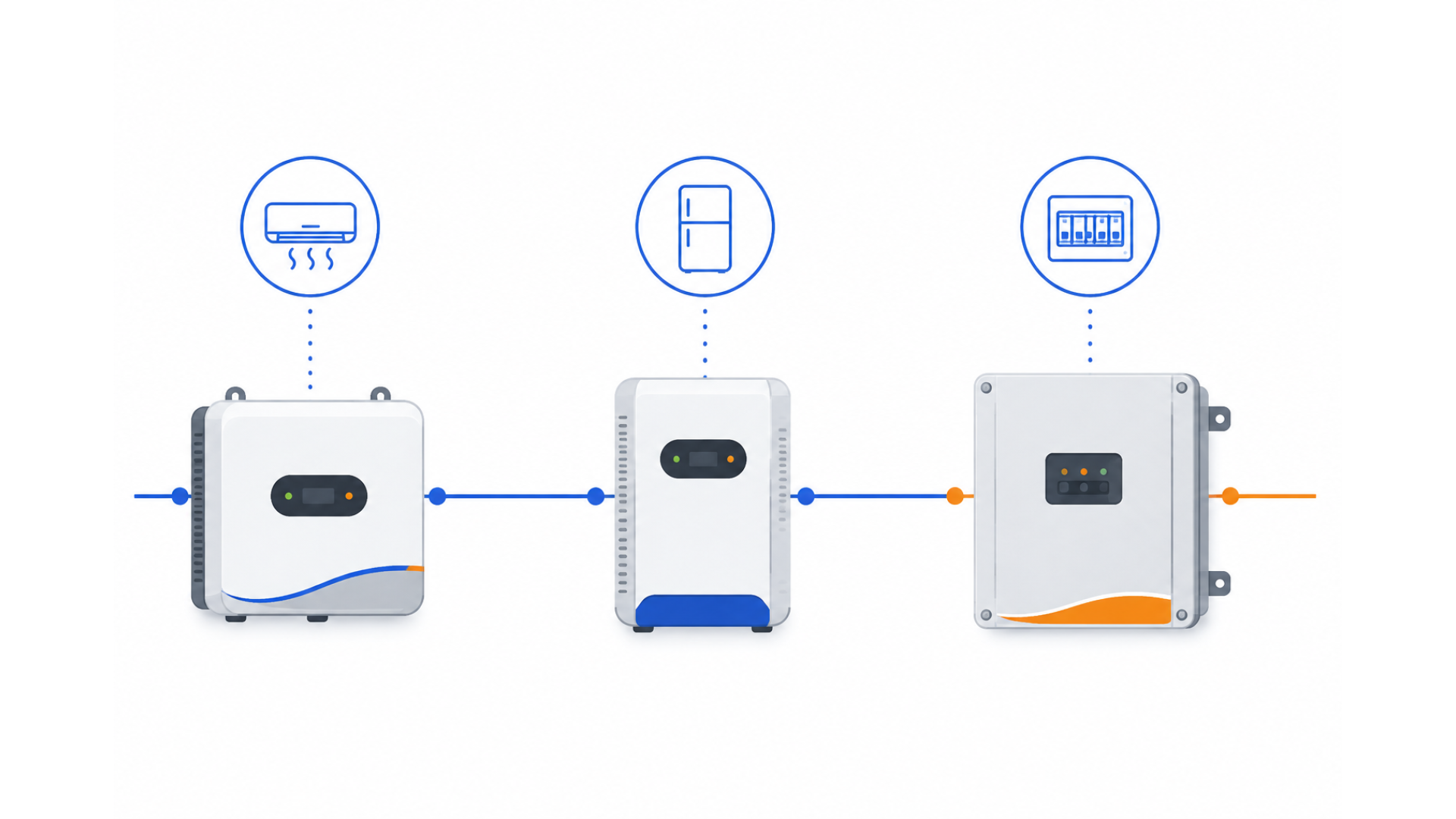
For Air Conditioners (1 Ton to 2 Ton) This is Microtek's biggest volume category and where the EM and Pearl EM series sit. Common input ranges you'll see: 130-300V, 160-285V, and 170-270V. The wider the input range, the more aggressive voltage drops it can handle before cutting power entirely — which matters more in rural and semi-urban feeders than in metro areas with tighter grid regulation.
- EM 4160 Plus / EM 4170 Plus — 1.5 Ton coverage, digital display, standard pick for most households
- Pearl EM 4130 Plus — wider 130-300V window, better if your area has frequent deep voltage sags
- Pearl EM 5150 / EM 5170 Plus — 2 Ton coverage for larger split ACs
For Refrigerators and Deep Freezers Lower current draw (2.0A to 4.0A range), smaller footprint units. Don't oversize here, a fridge stabilizer built for AC load is wasted spend and doesn't respond faster or protect better, it's just bigger for no reason.
For Mainline / Whole-Home Protection The EML series (EML 5090, EML 8090, EML 10090) sits at the mainline level, before the distribution board, protecting everything downstream at once. This is the right call for someone who wants one device instead of three, and it pairs naturally with an inverter/battery setup, which is where you can cross-sell if a customer's landed on this post through your battery category.
What "SAVE Power Technology" Actually Means
Microtek markets this heavily and it's not pure fluff. It refers to relay-based automatic voltage correction that only draws power to correct when there's an actual deviation, rather than continuous transformer-style correction that bleeds power 24/7. Translate this for the customer in plain terms: lower standby electricity cost over the appliance's life, not a headline gimmick.
Digital Display vs Basic Meter — Does It Matter?
For AC and mainline units, yes, mildly. A seven-segment digital display gives real-time input voltage so a customer can actually diagnose "why did my stabilizer cut off" instead of guessing. For fridge-class units it's a nice-to-have, not a deciding factor. Don't let a customer overpay 300-400 rupees purely for a display on a small-load unit if budget is the constraint.
Real Price Bands (What to Actually Quote)
Based on current market listings, Microtek stabilizers span roughly ₹1,600 to ₹20,000+ depending on class:
- Entry fridge/TV stabilizers: ₹1,600 – ₹2,800
- 1.5 Ton AC stabilizers (EM 4160/4170 range): ₹2,000 – ₹3,500
- 2 Ton AC stabilizers (Pearl EM 5150/5170): ₹3,500 – ₹5,500
- Mainline units (EML series): ₹5,000 – ₹20,000+ depending on capacity
Quote a range, not a fixed number, on the blog. Prices move with GST changes and dealer margins; a hardcoded number ages badly and becomes a trust problem when someone screenshots it against your current listing six months from now.
Warranty Reality Check
Most Microtek units carry 2 to 3 years manufacturer warranty. Push this in the copy, it's a genuine differentiator against unbranded and lesser-known stabilizer brands that top out at 1 year, and it directly answers the buyer's real fear: "will this thing die in year two."
How to Pick the Right One (Give the Customer This, Not a Spec Sheet)
- Identify the load: AC tonnage, or fridge, or whole-home
- Check your area's typical voltage swing (if you don't know, default to the wider input range, it's cheap insurance)
- Match tonnage to the stabilizer's rated capacity, never undersize to save ₹200
- If running an AC + fridge + a few other appliances off one point, mainline beats buying three separate units
FAQs
Is a Microtek stabilizer necessary if I already have a good inverter? Yes. The inverter protects against power cuts, not against voltage fluctuation while the grid is live. They solve different problems.
Can one stabilizer run both my AC and fridge? Not recommended on appliance-specific units. Use a mainline (EML series) stabilizer if you want single-point protection for multiple appliances.
What's the difference between EM and Pearl EM series? Pearl EM generally offers a wider input voltage tolerance window, better suited to areas with more severe voltage sags, at a modest price premium over the standard EM range.
How long does a Microtek stabilizer typically last? With normal home use, 5-8 years is a reasonable expectation, backed by the 2-3 year manufacturer warranty most models carry.
Ready to protect your AC, fridge, or full home setup? Browse genuine Microtek voltage stabilizers at The Power Cart, matched to your exact load and voltage conditions.
Link: https://www.thepowercart.com/Stabilizer
13 Comment(s)
References:
Neosurf casino cash out neosurf $20 deposit casino australia
References:
Neosurf online casino australia xhdyz.cn
References:
Neosurf casino aud deposit neosurf casino cashback australia
References:
Neosurf free spins australia neosurf prepaid voucher casino australia
References:
Neosurf casino fees australia https://egamersbox.com/cool/index.php?page=user&action=pub_profile&id=804839
References:
Mobile neosurf casinos aus carney-mark-2.mdwrite.net
References:
Neosurf alternative payment methods casino https://searchscale0.bravejournal.net/
References:
Neosurf bitcoin casino australia neosurf $10 deposit casino australia
References:
Neosurf casino prepaid australia neosurf casino customer support
References:
Neosurf casino complaints australia real money pokies neosurf australia
References:
Neosurf casinos for australian players https://test-sida.noads.biz/?493683
References:
Neosurf casino list australia http://asresin.cn/
References:
Neosurf vs credit card casino deposits 5 dollar neosurf deposit casino aus
Leave a Comment